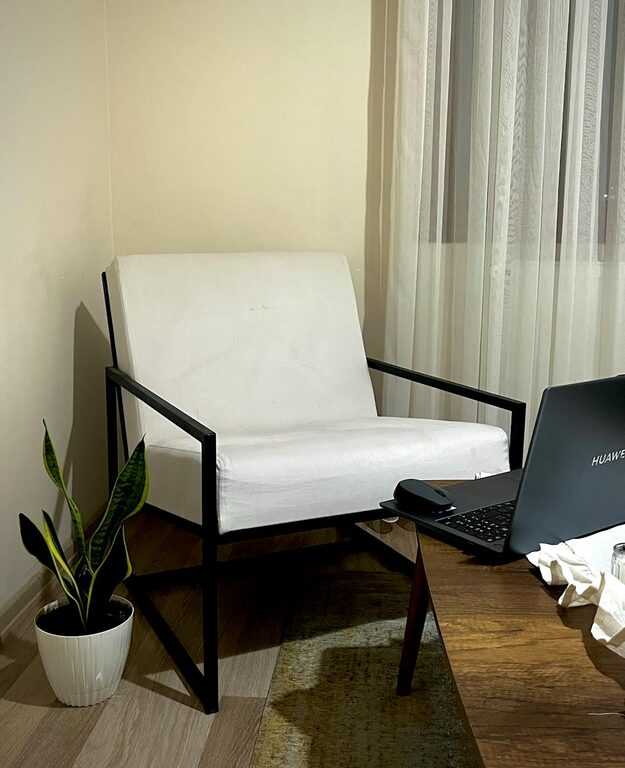
Creating a home workspace that feels both relaxing and productive is key to maintaining focus and achieving your daily goals. Whether you work from home regularly or just need a quiet spot to get tasks done, your environment plays a big role in how efficiently you can work. This post offers helpful tips to design a workspace that promotes calmness and boosts productivity.
Why a Relaxing Workspace Matters
A cluttered or uncomfortable workspace can increase stress and decrease motivation. On the other hand, a well-planned workspace can help you concentrate, inspire creativity, and improve work satisfaction. When your environment supports your needs, you’re more likely to stay engaged and complete tasks efficiently.
Choose the Right Location
Start by selecting a spot in your home where you can work with minimal distractions. Ideally, this space should be:
– Away from high-traffic areas like kitchens or living rooms
– Well-lit, preferably with natural light
– Close enough to necessary resources, like a printer or office supplies
If space is limited, even a small corner or a nook can be transformed into a functional workspace.
Prioritize Comfort and Ergonomics
Your comfort impacts your ability to work effectively. Invest time in arranging furniture and equipment that support good posture and reduce strain.
– Desk and Chair: Choose a desk at the right height, and use a supportive chair with adjustable features if possible.
– Monitor Position: Position your computer screen to avoid glare and keep your neck and eyes comfortable.
– Foot Support: If your feet don’t rest flat on the floor, consider a footrest to promote circulation.
Taking care of physical comfort reduces fatigue and helps you focus longer.
Declutter and Organize
A clutter-free workspace creates a sense of calm and reduces distractions.
– Regularly Clear Surfaces: Only keep essential items on your desk.
– Use Storage Solutions: Bins, shelves, and drawers help keep paperwork and supplies organized.
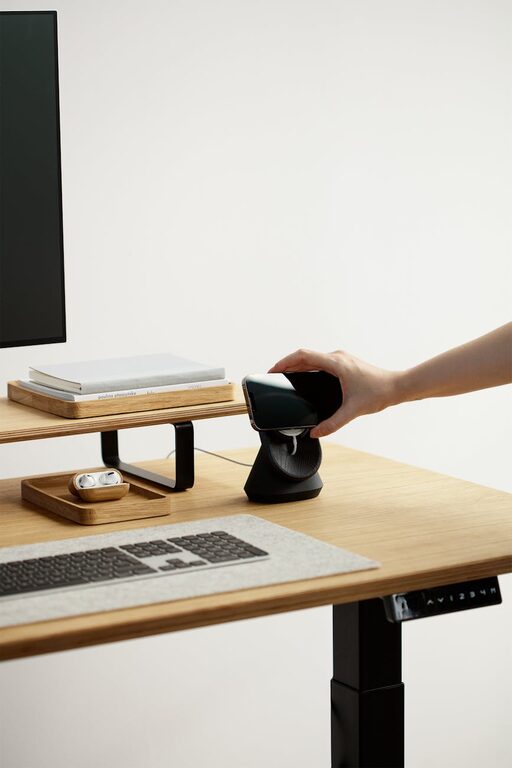
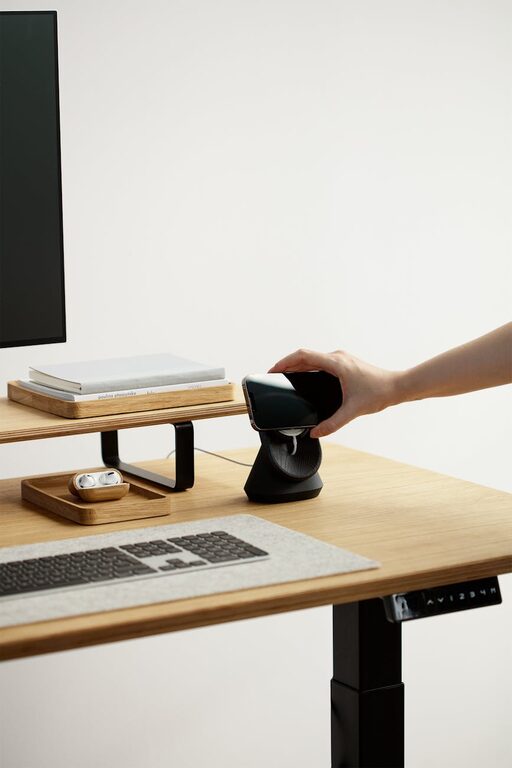
– Minimize Cords: Use cable organizers to keep wires tidy and prevent tangling.
Organizing your workspace can also save time when you need to find important materials.
Incorporate Calming Colors and Decor
Colors and decor influence mood and productivity. Choose elements that create a peaceful and motivating environment.
– Color Choices: Soft blues, greens, and neutrals are known to promote relaxation.
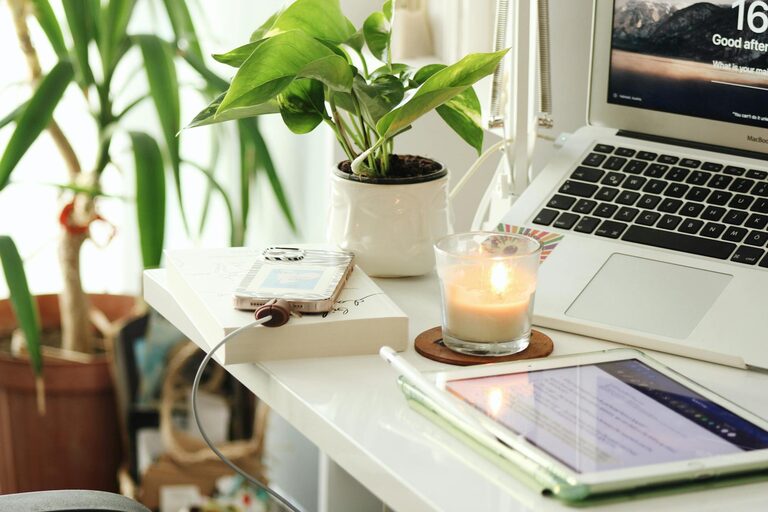
– Plants: Adding greenery can improve air quality and boost mood.
– Personal Touches: Photos, artwork, or inspiring quotes can create a positive atmosphere without causing clutter.
Aim for a balance between personalization and simplicity.
Control Lighting
Proper lighting reduces eye strain and improves alertness.
– Natural Light: Position your workspace near windows if possible.
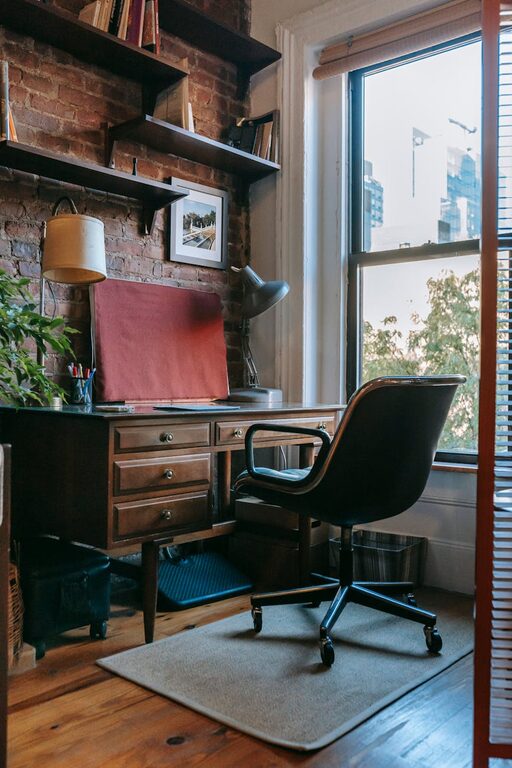
– Task Lighting: Use adjustable desk lamps to focus light where needed.
– Avoid Harsh Glare: Use curtains or blinds to control overly bright sunlight.
Good lighting supports both comfort and productivity.
Establish a Routine and Boundaries
A designated workspace helps separate work from personal life.
– Set Work Hours: Stick to consistent start and end times.
– Use the Space Only for Work: Avoid using your workspace for leisure activities.
– Take Breaks: Step away periodically to stretch or relax.
Clear boundaries make it easier to focus during working hours and unwind afterward.
Utilize Technology Wisely
Technology should support, not hinder, your workflow.
– Declutter Your Digital Space: Organize files and clear your desktop regularly.
– Use Productivity Tools: Apps for task management, focus timers, or note-taking can streamline work.
– Minimize Distractions: Turn off non-essential notifications during work sessions.
Adopting helpful technology habits complements your physical workspace.
Keep the Air Fresh
A fresh environment can enhance concentration.
– Ventilation: Open windows when possible to circulate air.
– Air Purifiers or Plants: Help reduce indoor pollutants.
– Avoid Strong Scents: Use mild fragrances or none, as strong smells can be distracting.
A breathable workspace supports a clear mind.
Final Thoughts
Creating a relaxing yet productive home workspace doesn’t require a complete overhaul. Small changes that prioritize comfort, organization, lighting, and atmosphere can make a significant difference in how you work. By tailoring your space to suit your needs, you set yourself up for a more enjoyable and efficient workday. Take these tips one step at a time and enjoy the benefits of a workspace that helps you thrive.