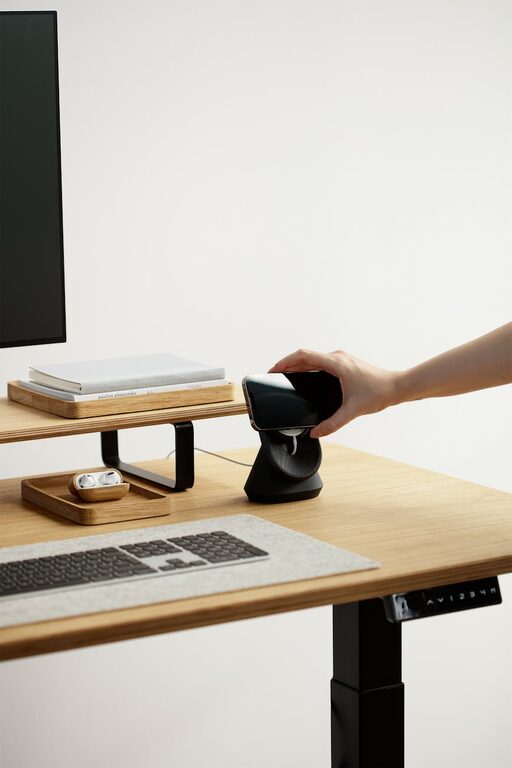
Creating a home office that balances coziness with productivity can greatly enhance your work-from-home experience. A well-designed workspace improves focus, reduces stress, and makes your daily tasks more enjoyable. Whether you have a dedicated room or a small corner, you can craft an environment that feels inviting and supports your work goals. Here are some practical tips to help you build a cozy and productive home office space.
Choose the Right Location
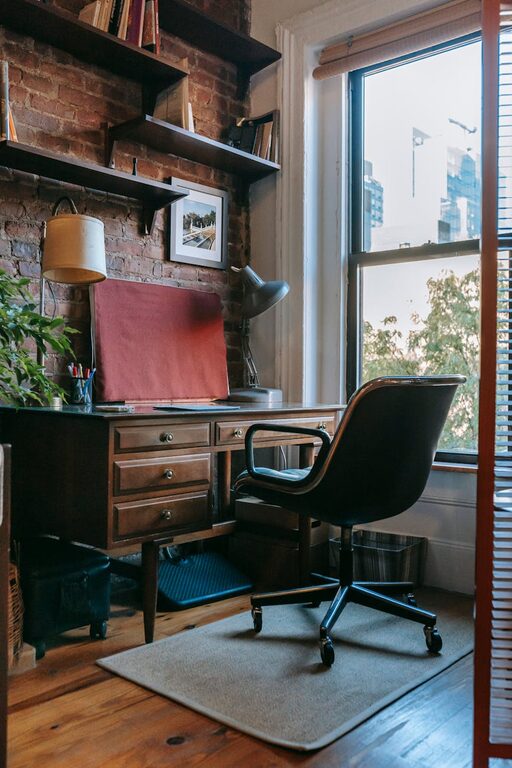
Finding the ideal spot for your home office is the first step. Look for a quiet area with minimal distractions. Natural light is a big plus, so consider placing your desk near a window if possible. Avoid high-traffic areas where interruptions are frequent. Think about privacy and noise levels as well, so you can focus without disturbances.
Invest in Ergonomic Furniture
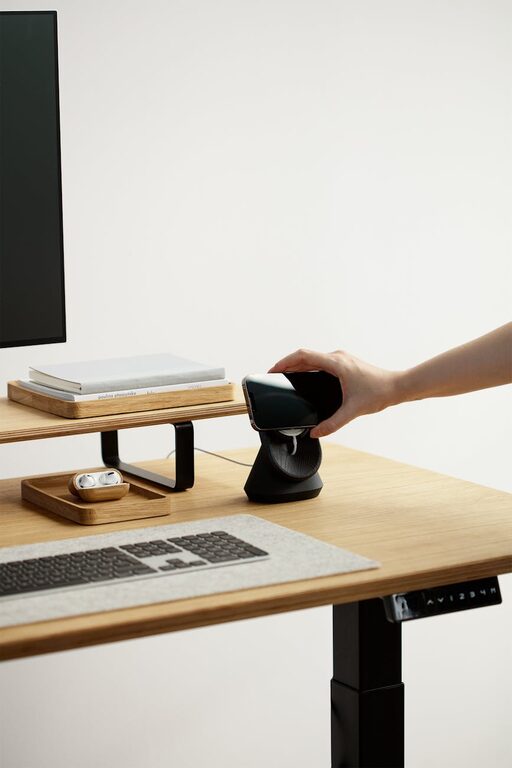
Comfort is key when working from home. An ergonomic chair supports your posture and reduces back strain throughout long work hours. Pair it with a desk at the right height to avoid neck and wrist pain. Adjustable chairs and desks offer flexibility, allowing you to customize your setup. A footrest and keyboard tray can also improve comfort and promote healthy positioning.
Optimize Lighting
Good lighting helps reduce eye strain and boosts your mood. Natural light is the best option, but if that’s limited, use a combination of ambient and task lighting. A desk lamp with adjustable brightness allows you to focus light where you need it. Avoid harsh overhead lights and glare on your computer screen to keep your eyes comfortable.
Declutter and Organize
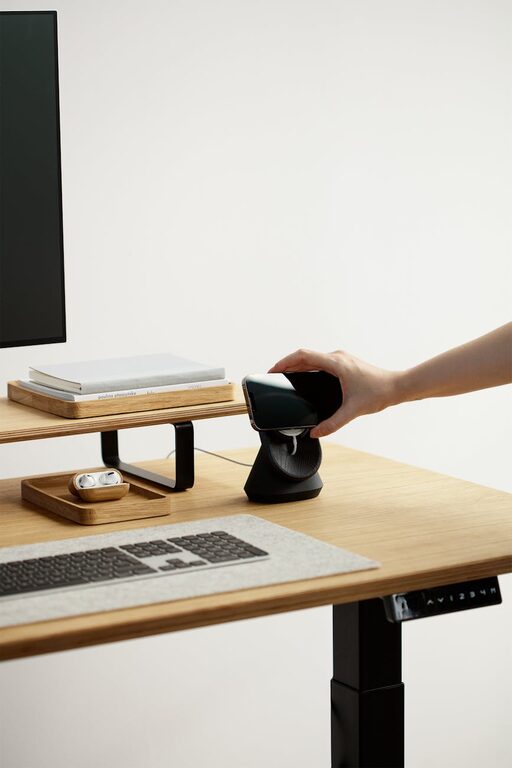
A tidy workspace creates a clear mind. Keep only essential items on your desk, such as your computer, a notebook, and a few pens. Use organizers, shelves, or filing cabinets to store papers and supplies out of sight. Labeling boxes or folders helps you find things quickly. Regularly declutter your space to maintain order and avoid distractions.
Add Personal Touches
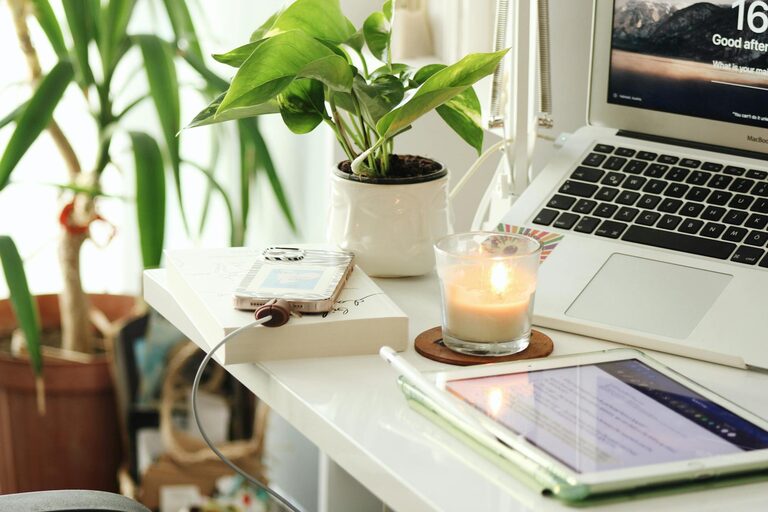
Incorporate elements that make your space feel inviting. This could be a favorite plant, a piece of artwork, or cozy textiles like a soft rug or cushions. Personal items can boost your mood and motivation, but avoid overcrowding the area. A balance between function and personalization helps maintain focus while making the space feel like your own.
Manage Technology Efficiently
Set up your computer, printer, and other devices for easy access. Use cable management tools to keep cords organized and prevent mess. Ensure your internet connection is reliable, and consider investing in a good quality headset for virtual meetings. Technology should support your productivity without becoming a source of frustration.
Establish Boundaries and Routine
To stay productive, set clear boundaries between work and personal time. Create a daily routine that signals the start and end of your workday. Keep your work materials confined to your office space to help mentally separate work from relaxation. This approach can reduce burnout and improve your overall well-being.
Incorporate Movement and Breaks
Sitting for long periods can impact your health and focus. Arrange your workspace so you can easily stand up or stretch. Use a timer or app to remind yourself to take short breaks every hour. Light exercises or a quick walk can refresh your mind and body, boosting productivity when you return to work.
Control Noise Levels
Background noise can be distracting or soothing, depending on your preferences. Consider noise-canceling headphones if your environment is noisy. Some people prefer light background music or nature sounds to maintain focus. Experiment with what works best for you to create a calm and productive atmosphere.
Keep Your Space Flexible
Your work needs may change, so make your home office adaptable. Use modular furniture or movable storage that can be reconfigured easily. This flexibility allows you to adjust the layout for different tasks, from focused writing to creative brainstorming.
Summary
Designing a cozy and productive home office is about blending comfort with function. By selecting the right location, investing in ergonomic furniture, managing lighting, keeping the space organized, and adding personal touches, you can create an environment that supports both your well-being and work goals. Don’t forget to manage technology efficiently, establish clear boundaries, incorporate regular breaks, control noise, and keep your setup flexible. With these tips, your home office will become a space where you can thrive professionally and feel at ease.